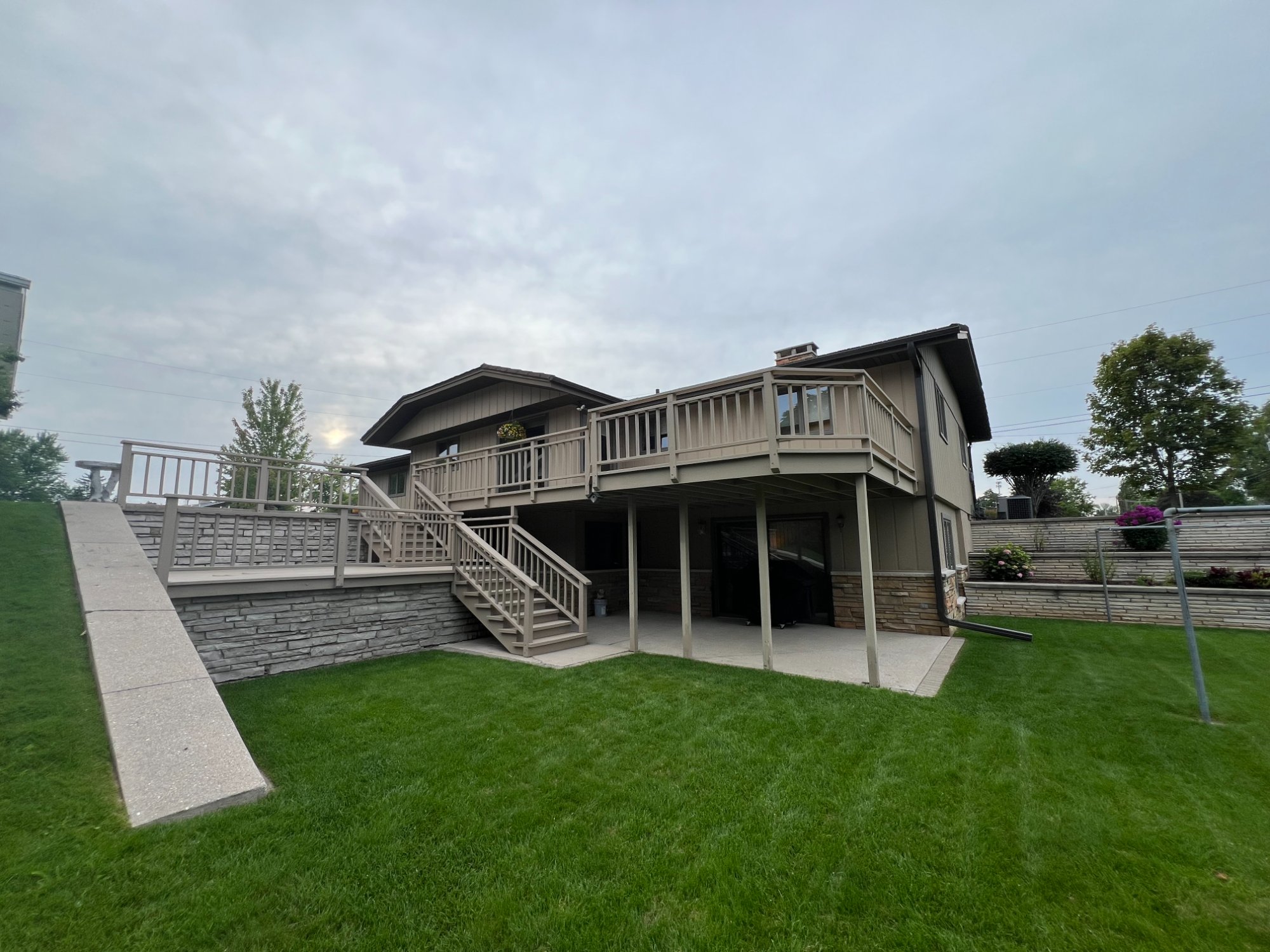
 Featured
Spring Painting Checklist: Get Your Wisconsin Home Ready
Winter is tough on Wisconsin homes. Here's a room-by-room, surface-by-surface checklist to assess damage and prioritize your spring painting projects — from peeling siding to faded decks.
Read Full ArticleSpring Painting Checklist: Get Your Wisconsin Home Ready
After months of freezing temperatures, ice, and snow, Wisconsin homes take a beating every winter. Spring is the perfect time to inspect your property and prioritize painting and maintenance projects before the summer heat arrives. Here's our professional checklist.
Exterior Walk-Around Inspection
Start with a slow walk around your entire home. Look up, look down, and check every surface:
- Siding: Look for peeling, bubbling, cracking, or chalking paint. Pay extra attention to south- and west-facing walls that get the most sun and weather exposure.
- Trim & Fascia: Check window frames, door frames, soffits, and fascia boards for bare wood, soft spots, or flaking paint.
- Deck & Railings: Press a screwdriver into deck boards — if it sinks in easily, you've got rot. Check if water beads on the surface or soaks in (time to re-stain if it soaks).
- Foundation: Look for cracks or exposed concrete where paint has worn away.
- Caulking: Inspect caulk lines around windows, doors, and where siding meets trim. Failed caulk lets water in, which causes paint failure from behind.
Interior Priority Areas
Inside the house, these areas typically need attention first:
- Bathrooms: Humidity damage, peeling ceiling paint, and mildew stains near showers.
- Kitchens: Grease buildup near stoves, scuffed walls, and dated cabinet finishes.
- High-traffic hallways: Scuffs, scratches, and handprints — especially in homes with kids.
- Ceilings: Water stains from ice dams or roof leaks during winter.
When to DIY vs. Call a Pro
Small touch-ups like scuff marks and nail holes are fine for DIY. But for anything involving ladders, full exterior repaints, lead paint (common in pre-1978 homes), or anywhere you want a truly professional finish — it pays to hire experienced painters. The prep work alone (scraping, sanding, priming, caulking) is where most DIY projects fall short.
Ready for a spring refresh? Get your free estimate — we'll walk your property with you and help prioritize what needs attention first.
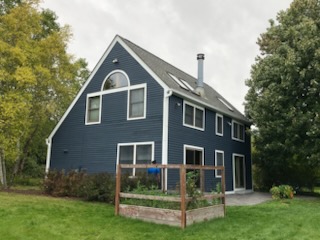
How Long Does Exterior Paint Last in Wisconsin?
Harsh winters, summer humidity, and UV exposure all take a toll. Learn how long you can expect your exterior paint to last and what factors affect durability in our climate.
Read MoreHow Long Does Exterior Paint Last in Wisconsin?
One of the most common questions we hear is "how often should I repaint my house?" The answer depends on several factors unique to Wisconsin's climate.
General Lifespan by Surface
- Wood siding: 5–7 years with quality paint and proper prep. Can stretch to 10 years with premium products.
- Fiber cement (Hardie board): 10–15 years. This is one of the most durable surfaces to paint.
- Aluminum/vinyl siding: 5–10 years, depending on color and sun exposure.
- Stucco: 5–6 years in Wisconsin due to freeze-thaw cycles.
- Trim & doors: 3–5 years for high-touch/high-exposure areas.
Wisconsin-Specific Factors
Our climate is particularly demanding on exterior paint. Freeze-thaw cycles create expansion and contraction that cracks paint film. Lake Michigan humidity promotes mildew growth. Summer UV exposure fades colors, especially on south-facing walls. And salt air near the lakeshore accelerates deterioration.
Signs It's Time to Repaint
Don't wait for full failure. Watch for chalking (a powdery residue when you rub the surface), fading that looks uneven, hairline cracks in the paint film, or any visible bare wood. Catching these early means less prep work and lower cost for the repaint.
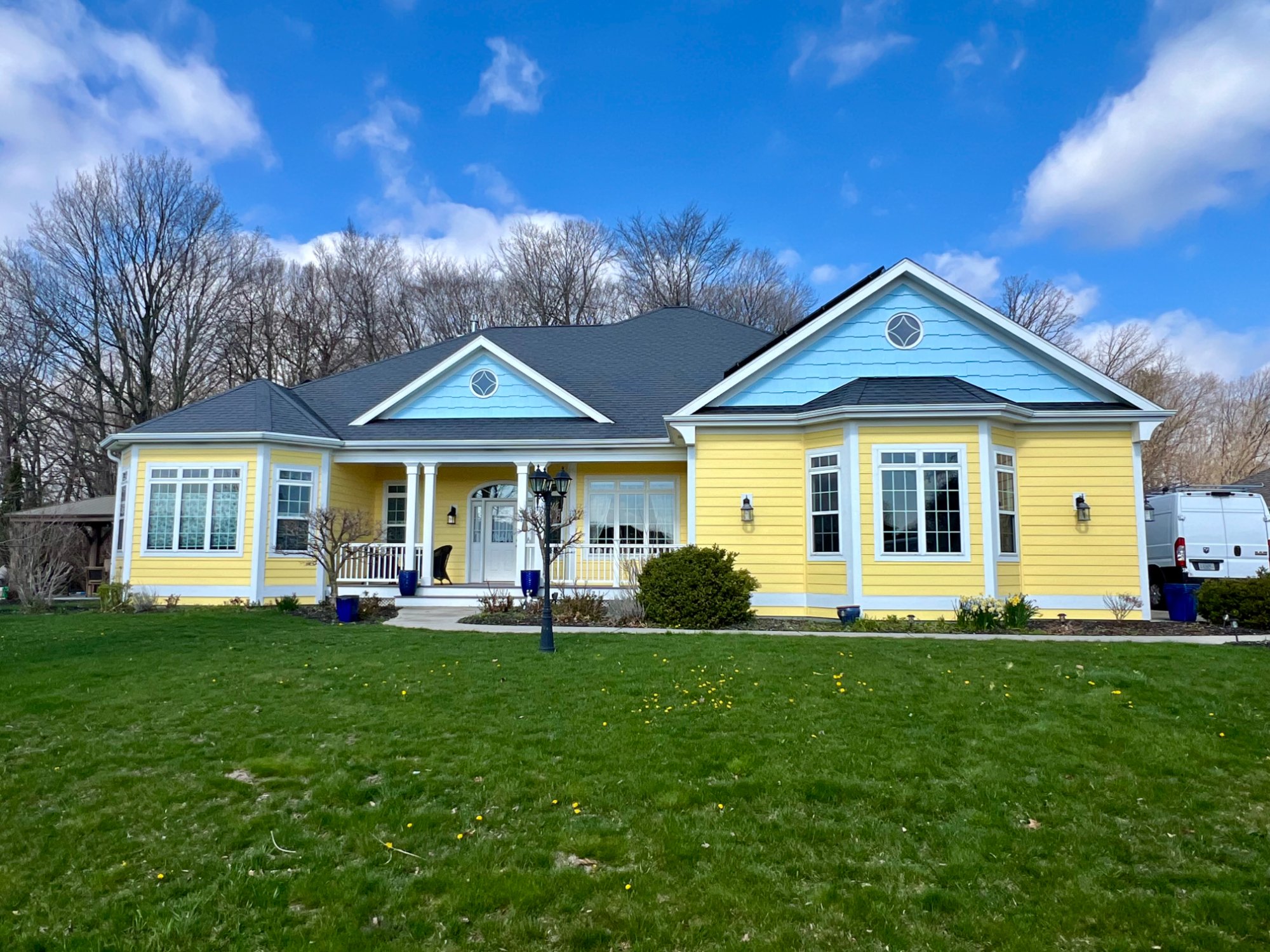
Top Exterior Paint Colors for Manitowoc Homes in 2026
From classic whites to bold navy blues, here are the most popular exterior colors we're painting in Manitowoc County this year — and why they work so well.
Read MoreTop Exterior Paint Colors for Manitowoc Homes in 2026
Choosing the right exterior color is one of the biggest decisions in a repaint project. Here are the colors we're painting most often in Manitowoc County, and why homeowners love them.
The Most Popular Picks
- Classic White & Off-White: Still the #1 request. Clean, timeless, and pairs beautifully with any trim color. Works on every architectural style.
- Navy Blue: Bold, sophisticated, and hugely popular on A-frames, colonials, and two-story homes. Pairs with white or cream trim.
- Warm Tan / Greige: A safe but elegant choice for ranch homes. Coordinates well with stone veneer and natural wood accents.
- Sage Green: A trending earthy tone that looks stunning against brick or surrounded by trees — a natural fit for Wisconsin properties.
- Sunny Yellow with Blue Accents: A cheerful combination we've painted on several craftsman-style homes. The blue gable accents make it pop.
- Dark Charcoal / Black Trim: Especially popular on Tudor-style homes paired with cream stucco panels. Creates dramatic contrast.
Not sure which color is right? We offer free color consultations and can bring sample boards to your home so you can see colors against your existing brick, stone, or landscaping. Schedule yours here.
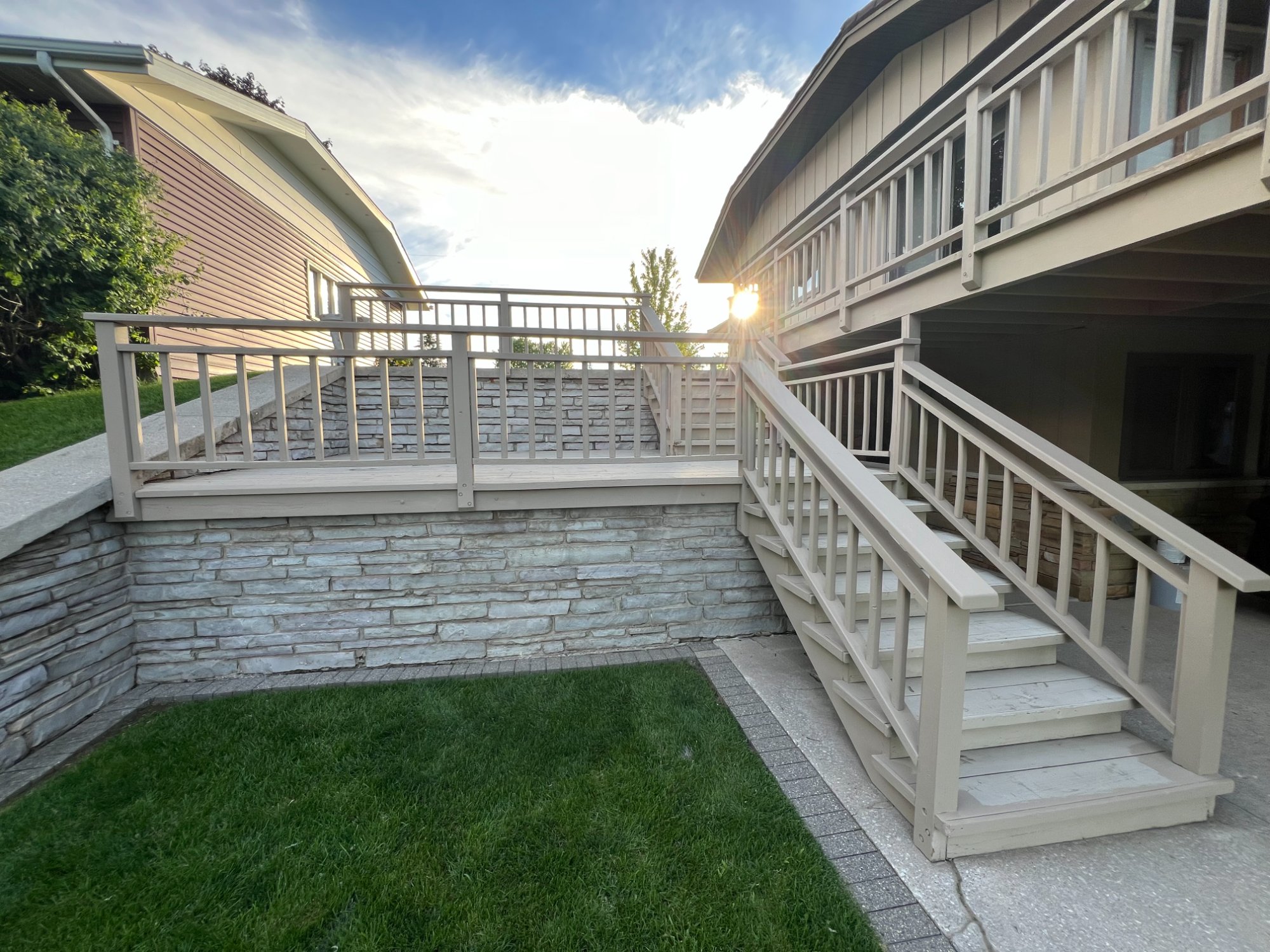
Stain vs. Paint for Your Deck: Which Is Better?
It's the great debate for deck owners. We break down the pros and cons of each option, plus which one we recommend for Wisconsin's climate.
Read MoreStain vs. Paint for Your Deck: Which Is Better?
When it comes to protecting and beautifying your deck, you have two main options: stain or paint. Both have their place, and the right choice depends on your deck's condition, material, and how you use it.
Deck Stain: Pros & Cons
Stain penetrates into the wood grain rather than sitting on top. This means it won't peel or chip — it simply fades over time. Semi-transparent stains let the natural wood grain show through, which is ideal for newer decks with attractive wood. Solid stains offer more color but still penetrate the surface. Stain needs reapplication every 2–3 years in Wisconsin, but the recoat process is simpler since there's no scraping involved.
Deck Paint: Pros & Cons
Paint creates a solid film on top of the wood, providing better UV protection and a wider range of colors. It lasts longer between coats (3–5 years). However, paint can peel and blister on horizontal deck surfaces that collect water. When it does fail, the prep for repainting is much more labor-intensive — you need to scrape and sand all the peeling areas.
5 Interior Painting Mistakes Homeowners Make
Skip the expensive do-overs. These are the most common mistakes we see when homeowners tackle interior painting themselves — and how to avoid them.
Read More5 Interior Painting Mistakes Homeowners Make
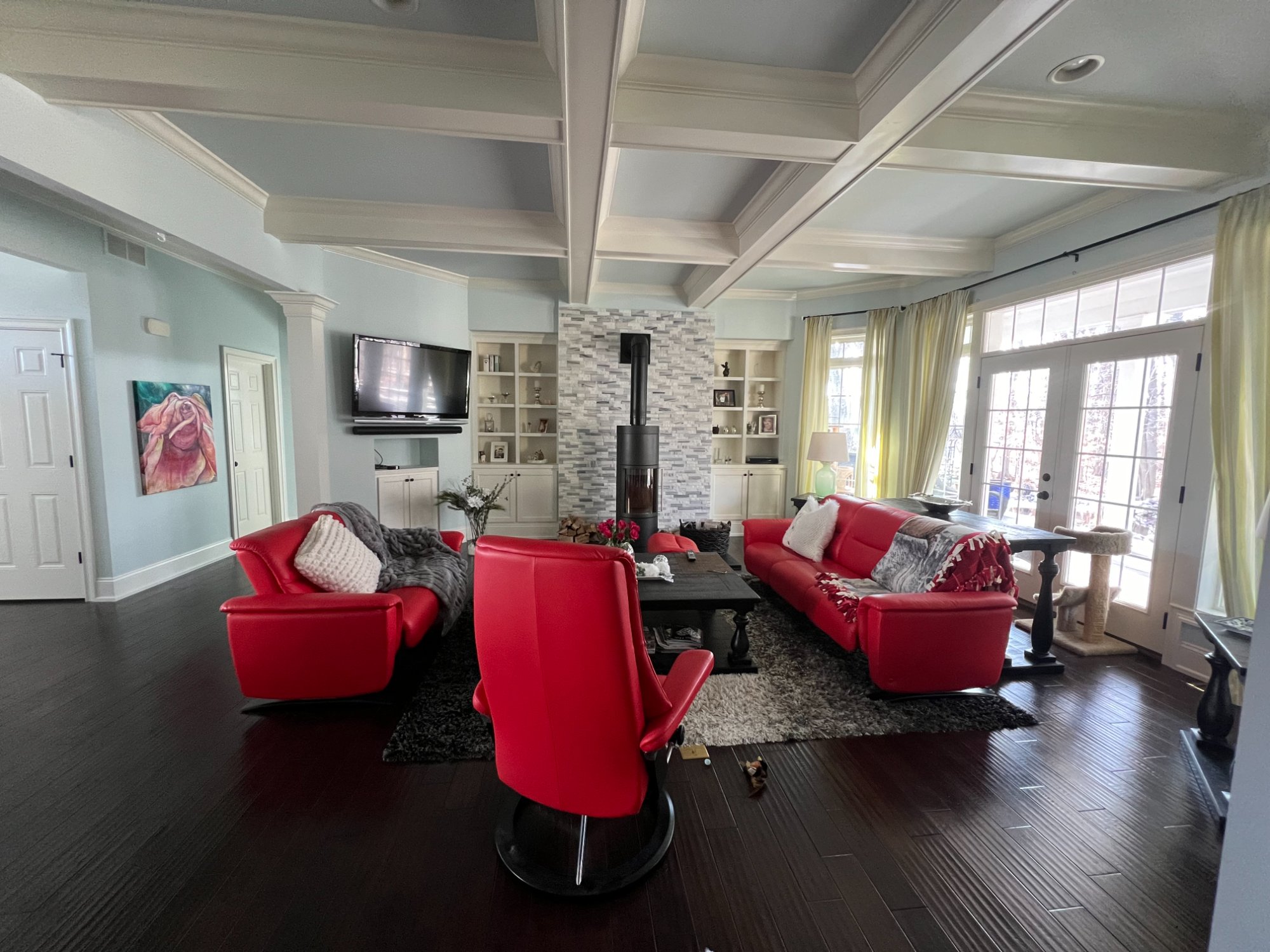
Interior painting seems simple, but the details matter. Here are the five mistakes we see most often — and how professionals avoid them.
1. Skipping the Prep Work
This is the #1 mistake, hands down. Painting over dirty walls, nail holes, drywall dings, or without proper taping leads to a finish that looks amateur. Pros spend 50–60% of the total project time on prep: cleaning, patching, sanding, caulking, priming, and taping. The actual painting is the easy part.
2. Using the Wrong Sheen
Flat paint hides imperfections but can't be wiped clean — terrible for kitchens and bathrooms. High gloss shows every wall imperfection. For most rooms, eggshell or satin gives the best balance of washability and appearance. Use semi-gloss on trim, doors, and cabinets.
3. Not Cutting In Properly
The line where wall meets ceiling (the "cut-in") is what separates a professional paint job from a DIY one. Use a quality angled brush, load it properly, and take your time. Blue tape helps, but it's not a substitute for a steady hand and good technique.
4. Applying Paint Too Thick
More paint doesn't mean better coverage. Thick coats drip, sag, show brush marks, and take forever to dry. Two thin, even coats will always look better and last longer than one heavy coat.
5. Buying Cheap Paint
Budget paint requires more coats, fades faster, and doesn't wash as well. Premium paints from Benjamin Moore or Sherwin-Williams cost more per gallon but cover in fewer coats, look better, and last years longer. It's a false economy to go cheap on the paint itself.
Does Painting Your House Increase Its Value?
Thinking of selling? A fresh paint job is one of the highest-ROI home improvements you can make. Here's exactly how much value it adds and where to focus.
Read MoreDoes Painting Your House Increase Its Value?
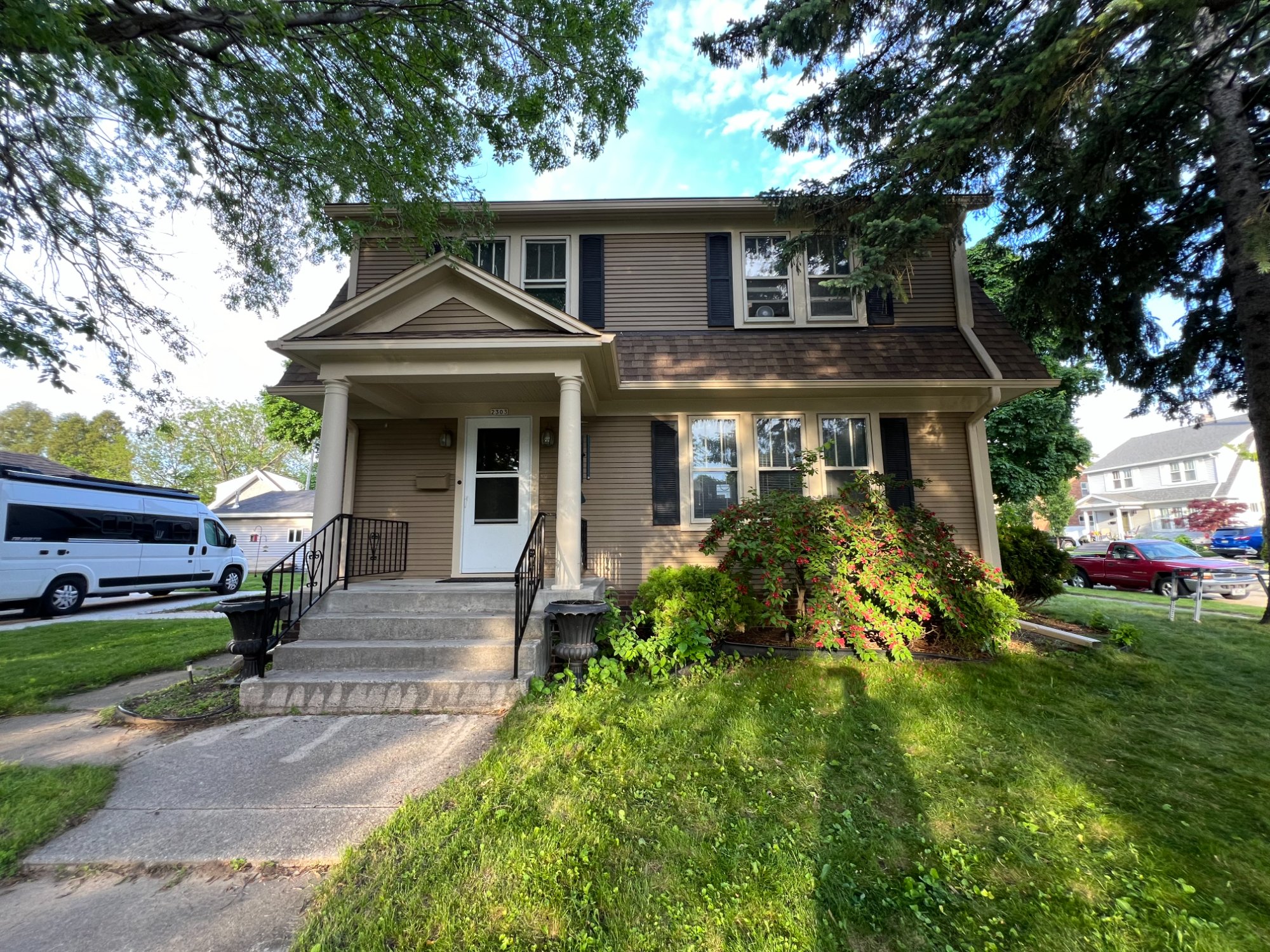
Short answer: absolutely. Painting is consistently ranked as one of the highest return-on-investment home improvements you can make, whether you're selling soon or just maintaining your property.
The Numbers
According to multiple real estate studies, a fresh exterior paint job can recoup 50–75% of its cost at resale, and in many cases even more. But the real value isn't just in the direct ROI — it's in the speed of sale. Homes with fresh, neutral paint sell faster, attract more offers, and create better first impressions in listing photos.
Where to Focus for Maximum Impact
- Front door: The single highest-impact change. A freshly painted front door in a bold color can add noticeable perceived value for under $200.
- Exterior siding: If your siding is faded, peeling, or dated, a repaint dramatically improves curb appeal.
- Kitchen cabinets: Painting dated oak or cherry cabinets white or gray can make a kitchen look like a $30,000 renovation for a fraction of the cost.
- Interior walls: Fresh, neutral colors (light grays, warm whites, soft tans) make rooms feel larger, brighter, and move-in ready.